
 admin
admin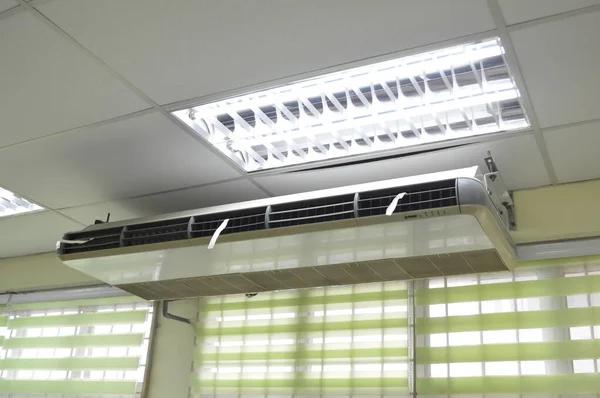
Installing a mini split system offers numerous advantages that make it an attractive choice for both residential and commercial spaces. One of the primary benefits is its energy efficiency. Mini splits operate without the ductwork required by traditional HVAC systems, which often results in significant energy savings. Ducts can lose a substantial amount of heated or cooled air through leaks and poor insulation, but mini splits deliver conditioned air directly into individual rooms, minimizing waste and reducing utility bills.
Another advantage lies in the flexibility and ease of installation. Unlike conventional central air systems that require extensive ductwork modifications, mini splits only need a small hole to connect the indoor unit to the outdoor compressor. This makes them ideal for homes without existing ducts or for room additions where extending current HVAC infrastructure would be costly or impractical. The compact design also means they can fit into tight spaces without disrupting interior aesthetics.
Comfort control is enhanced with Mini Split systems because they allow for zoned heating and cooling. Each indoor unit operates independently, giving occupants precise temperature control in different areas of a building. This zoning capability not only improves comfort but also contributes to energy savings by conditioning only occupied spaces rather than an entire home or office at once.
Mini splits are known for their quiet operation compared to traditional HVAC units. The noisy components like compressors are located outside, while indoor units run quietly on low-speed fans, making them suitable for bedrooms, offices, and other noise-sensitive environments. Their quiet performance enhances overall comfort without sacrificing effectiveness.
Maintenance requirements tend to be straightforward with mini split systems as well. Without ducts to clean or maintain regularly, users primarily focus on keeping filters clean and ensuring outdoor units remain free from debris. This simplicity reduces long-term maintenance costs while maintaining system efficiency over time.
Additionally, many modern mini split models come equipped with advanced features such as programmable timers, remote controls, and smart thermostats compatible with home automation systems. These technological enhancements offer users greater convenience in managing their indoor climate remotely or according to specific schedules.
In summary, installing a mini split system provides energy-efficient operation paired with flexible installation options that suit diverse living situations. Its ability to deliver targeted comfort quietly while requiring minimal upkeep makes it an excellent investment for enhancing indoor environmental quality year-round. With growing emphasis on sustainability and user-friendly technology integration in heating and cooling solutions today, mini splits stand out as an effective alternative worth considering carefully before upgrading any climate control setup.